
Commodity CFD Trading
Trade CFDs on Gold, Oil and various other hard and soft commodities with low spreads and fast execution.
Trade Commodity CFDs with Amber Fund Management
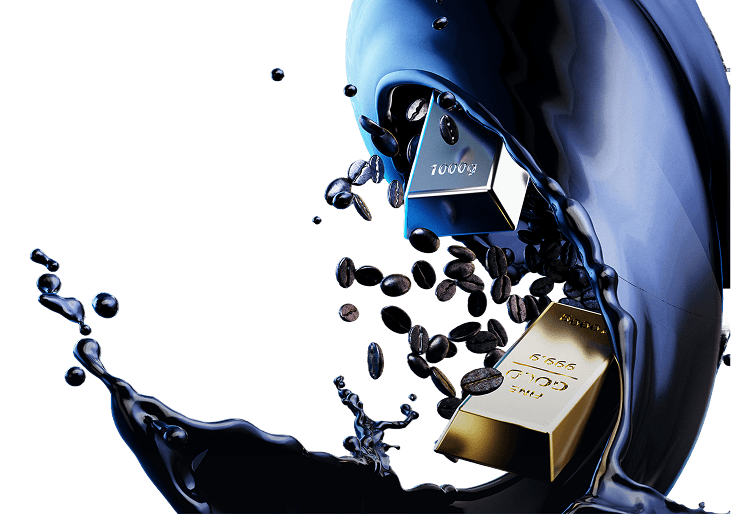
Trading Commodity CFDs (Contracts for Difference) is one way to diversify your portfolio and hedge risks. With Amber Fund Management, investors can choose from an extensive portfolio of commodities while accessing advanced trading tools and the latest technology the market has to offer – including high execution speeds, low slippage, deep liquidity, and tight spreads. Access a wide range of CFD instruments, including Gold (XAU), Silver (XAG) and Crude Oil (Brent, WTI) and diversify your investment portfolio.
Why trade CFDs on Commodities?
- Leverage up to 1:20
- Wide range of commodities including metals, energy, and agricultural products
- Exposure to international markets and growth
- Market open 24/5
- High liquidity allows swift entries and exits
- Inflation hedging
- Tangible asset backing
- Multilingual Customer Support

Diversify your investment portfolio with CFDs on Commodities
Commodities are regarded as the building blocks of the modern global economy. As such, they are essential for global economic growth, drawing the attention of investors and traders around the world who consider them excellent investment vehicles.
Commodities fall into two broad categories: hard commodities and soft commodities. Hard commodities are those mined from the earth or extracted from natural resources. This category includes metals such as gold, silver and iron, as well as energies such as oil, natural gas, and coal. Soft commodities refer to commodities that are grown; popular soft commodities include agricultural products like coffee, cocoa, cotton, sugar, etc.
Commodities are among the most traded financial instruments in the world due to their high volatility, which can create an array of trading opportunities, as well as their portfolio diversification potential. What separates commodities from other financial assets is that they are interchangeable and standardised, with their prices determined based on supply and demand through trading on the relevant commodity exchange.
Commodity CFDs to trade

Crude Oil CFDs
Gold CFDs

Silver CFDs
Platinum CFDs & Palladium CFDs
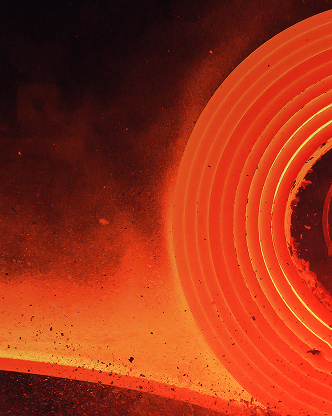
Base Metals: Copper CFDs, Iron CFDs, Steel CFDs, Aluminium CFDs

Coffee CFDs
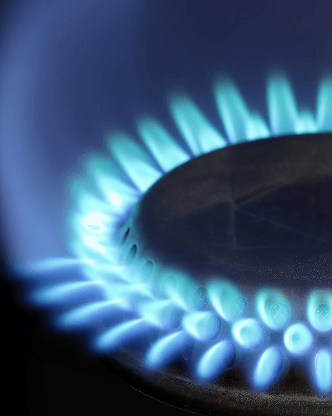
Natural Gas CFDs
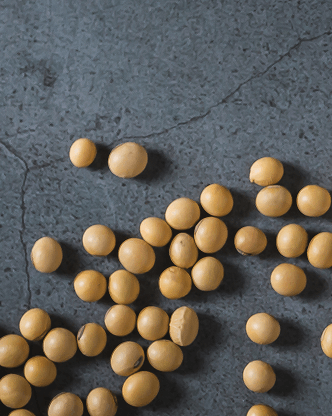
Soya Beans CFDs
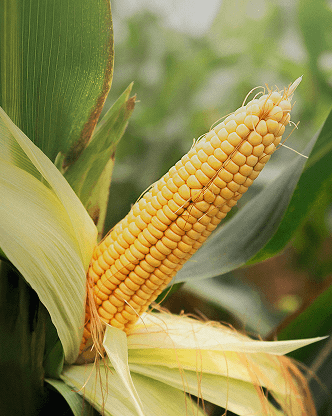
Corn CFDs
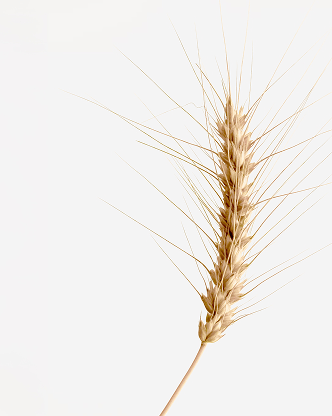
Wheat CFDs
How to choose which Commodity CFD to trade?
When trading CFDs on commodities, liquidity is one of the main factors you should consider before investing. This is because liquidity determines the ease with which you can sell or buy a commodity. Market depth and liquidity attract traders so the most traded commodities have a well-established market of buyers and sellers at any given time.
Some commodities are widely used in a range of financial instruments such as futures, options, Exchange-Traded Funds, etc., giving traders many opportunities to engage in markets. However, lack of asset range may discourage traders from adding specific commodities to their portfolio.
Explore trading Commodities CFDs
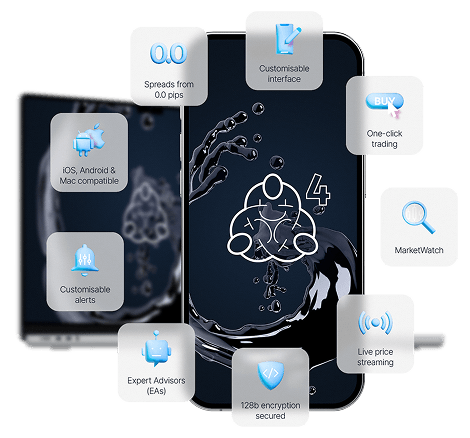
Explore trading Metal CFDs on some of the most powerful trading platforms available such as Webtrader. Accessible on both desktop and mobile platforms, Webtrader can change your trading perspective.
- Spreads from 0.0 pips & leverage up to 1:20
- Customisable interface, including colours of technical indicators
- One-click trading
- Live price streaming on Live and Demo accounts
- 128-bit SSL encryption for secure trading
- Expert Advisors (EAs)
- Customisable alerts
What is Commodity CFD trading?
Buying and selling quantities of commodities in the market is called commodity trading. Popular commodities include West Texas Intermediate (WTI) Crude Oil, Brent Crude Oil, Gold (XAU) and other precious metals, and soft commodities such as Wheat, Coffee, Cocoa, Soya, etc.
Price movements in commodities are relatively slow and are usually seen as bellwethers and market indicators for the overall health of global markets. Various factors including geopolitical tensions, adverse weather conditions and seasonal availability, natural disasters, climate change and other non-market factors can impact commodity prices.
Typically, trading in commodities can be either speculative or for hedging purposes. Traders can trade commodity markets to express their outlook on specific industries or to hedge their trading portfolio by taking an opposite position in a commodity to offset potential losses. Hedging based on commodity trading serves as a risk management strategy that aims to minimise potential losses, but could also limit potential returns.
Through careful market analysis, CFD traders speculate on the direction of commodity prices and attempt to capture potential profits based on price fluctuations and volatility. The market is open 24 hours a day, 5 days a week, from 5:00 pm EST on Sunday to 4:00 pm EST on Friday.
Commodity CFD Spreads
| Symbol | Product | Standard A/c |
|---|---|---|
| Avg | ||
| COCOA | Cocoa vs US Dollar Cash | 22 |
| COTTON | Us Cotton No.2 vs US Dollar Future | 2.02 |
| SUGAR | Us Sugar No.11 vs US Dollar Future | 1.05 |
| COFFEE | US Coffee vs US Dollar Future | 1 |
| CORN | Corn vs US Dollar Cash | 0.7 |
| WHEAT | Wheat vs US Dollar Cash | 2.1 |
Introduction to Commodity markets
Find out more about all the major commodity markets and what drives their prices.
Gold is one of the most expensive commodities in the world. Throughout history, the demand for gold has always been high. Market participants view gold as a safe haven and a way to hedge during periods of macroeconomic and geopolitical uncertainty. Elevated demand for gold makes it one of the most actively traded commodities in the world.
If you want to trade gold, there are several options open to you. You can directly invest in physical gold by purchasing gold bullion from bullion dealers or through gold exchange-traded funds (ETFs) that hold the commodity. Alternatively, you can trade gold through ETFs that track the movements of the commodity, or purchase gold CFDs (Contracts For Difference) which track the asset's underlying price. The latter is one of the most popular ways of trading gold and it's easy to see why when you know how trading gold CFDs works.
Types of Commodities
Commodities are tangible raw materials or agricultural goods sourced from nature. They are used in the production of other goods and play a significant role in global economic growth.
There are two types of commodities:
- Hard commodities: Natural resources that are mined or extracted.
- Soft commodities: Agricultural products or livestock.
When it comes to trading, commodities are split into four main categories:
- Metals: Includes precious metals such as gold, silver, platinum, palladium and copper.
- Energy: Crude oil and natural gas are the main traded energy products. Heating oil, gasoline and electricity belong to this category.
- Agriculture: Agricultural commodities are centred around staple crops and animals. Wheat, rice, corn, soybeans and coffee are among the most common crops. The category includes livestock and meat such as live cattle, pork, and eggs.
- Livestock and Meat: This category includes cattle, hogs, poultry and their meat products.

What are the most traded Commodity CFDs?
Some commodities are traded more often than others. Market depth and liquidity, global demand and usage or even durability are some of the reasons that traders are drawn to trading Commodity CFDs.
Gold:
Gold is one of the most traded commodities and the top one among precious metals. Despite abandoning the gold standard decades ago, central banks continue to hold large amounts of gold reserves. Gold is used in hedging strategies, especially when the US dollar falls against other major currencies.

Other Metals:
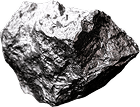
Silver, platinum and palladium belong to the precious metals' group of commodities. They are considered safe-haven investments that may help investors mitigate their risks during market downturns.
Crude Oil:
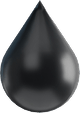
The widespread use of oil makes it one of the most in-demand commodities. As oil is one of the main sources of energy, crude oil price fluctuations could have a significant impact on global markets.
How to trade Commodities?
There are several ways to trade commodities such as precious metals and oil. As commodities are physical products, investors have the option of purchasing physical quantities of gold, silver, crude oil to name a few. However, storing commodities requires transportation and space which incur the relevant costs.
This is one of the reasons why commodity futures trading emerged. Through exchange-traded funds (ETFs), you are able to enter into an agreement to buy or sell shares of an underlying ETF at an agreed price prior to a specified date. Many large corporations use futures markets to hedge against market volatility.
Amber Fund Management offers Commodity CFD trading, in which you do not own the underlying asset and enter into a contract that, unlike futures contracts, does not have a specified end date. Trading gold, silver, crude oil or other commodities allows you to hedge against high-risk market conditions using your margin trading account. Similarly, these commodities are also traded against major currencies in Forex Trading.
Commodities CFD trading - FAQs
London Metal Exchange (LME)
Chicago Mercantile Exchange (CME)
New York Mercantile Exchange (NYMEX)
Intercontinental Exchange (ICE)
CBOT - Chicago Board of Trade (CBOT)

Start trading the global markets with a regulated broker
- 800+ CFD instruments
- Cutting-edge trading platforms
- Spreads as low as 0.0 pips
- Easy and quick access to customer support
By registering, you agree to Amber Fund Management' Privacy Policy and consent to receiving marketing materials from Amber Fund Management in the future. You can unsubscribe at any time.